
Shopping mall investment analysis: traffic forecasting, tenant mix and occupancy projection
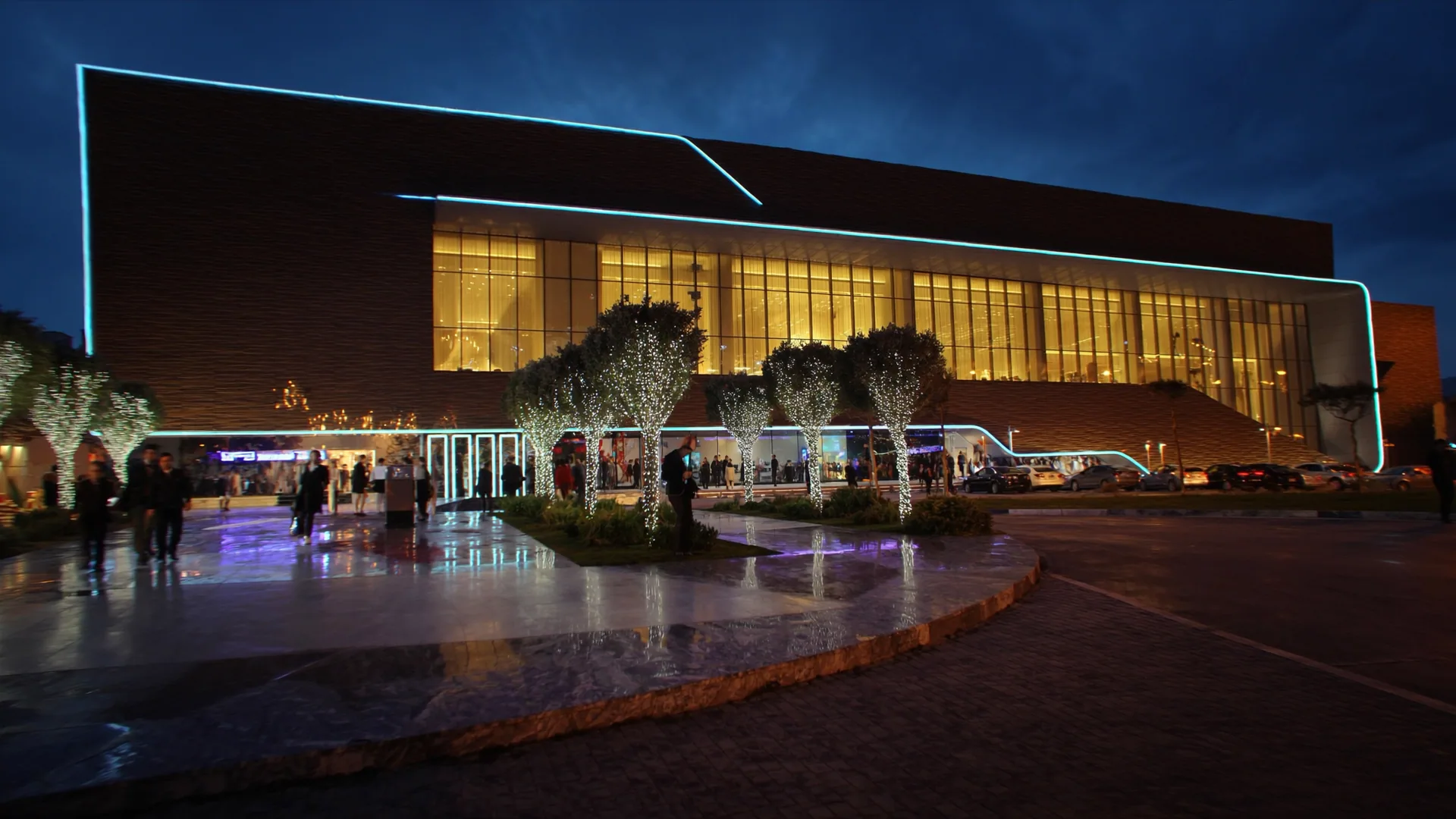
In shopping mall investment, the diversity of traffic sources, the tenant mix and the occupancy projection are as critical as location. Lessons drawn from the Kocaeli Symbol AVM (shopping mall) experience.
Lizaz Emlak Research
Commercial Real Estate Note
The value of a shopping mall does not come from its gross leasable area; it comes from the ecosystem capacity to generate sustainable traffic, tenant diversity and a balanced service mix.
1. Traffic source analysis
In shopping mall traffic forecasting, population and income data alone are not enough. The number of access points, parking capacity, public transport connectivity, distance to competing malls and the average daily vehicle count must all be evaluated together.
In the case of Symbol Kocaeli, the hotel, the hospital and the shopping mall were designed together. This mixed-use model diversifies the traffic base and improves the distribution of occupancy risk.
2. Tenant mix and anchor strategy
Anchor tenants (the large supermarket, the cinema, the food court area) are the traffic engine of the shopping mall. The guarantee of long-term leases from these tenants directly affects the financing value of the remaining tenants.
Achieving the right mix requires brand selection suited to the target demographic, balanced category distribution and seasonal event planning.
3. Occupancy projection and cash flow
The value of a shopping mall investment is measured not by opening-day occupancy, but by a sustainable occupancy curve. The first-year promotional period, rent discounts and the pulling power of anchor tenants shape the cash flow; a realistic projection must model this ramp-up period separately.
When part of the rental income is indexed to turnover (turnover rent / ciro kirasi), the mall's revenue becomes tied to tenant performance. In a well-managed center this structure works in the investor's favor; if traffic is low, the same mechanism drags revenue down. For this reason, occupancy and turnover assumptions must be set conservatively.
4. Competition and substitution risk
A shopping mall's catchment area is not fixed. A new center planned in the immediate vicinity, a revival of high-street retail, or the share captured by e-commerce in the relevant categories all directly affect the existing center's traffic. The investment decision must take into account not today's competition but a five-year competitive scenario.
The strongest defense against substitution risk is an experience mix that is hard to replicate: a higher weighting of food and beverage, entertainment, health and service functions is more resistant to online substitution than pure retail.
5. Operating expense and sustainability management
A shopping mall's net return is not the gross rent; it is the amount left after common-area charges, energy, security and maintenance costs are deducted. Energy efficiency, parking revenue management and efficient use of space are the silent determinants of long-term return.
In the Lizaz Emlak approach, a commercial real estate investment is handled not through a single 'occupancy' figure, but through an ecosystem assessment in which the traffic source, the tenant lease structure, the competitive scenario and the operating-expense curve are read together.
Have a similar file?
Field discipline.
At the center of the decision.
Request a technical pre-assessment from Lizaz with the framework used in this article.
Other research
From the field.
More notes.
Abdulbaki Yetis Analysis
Floor-area-sharing and urban transformation contracts: 6 critical points for property owners from a technical investor's perspective
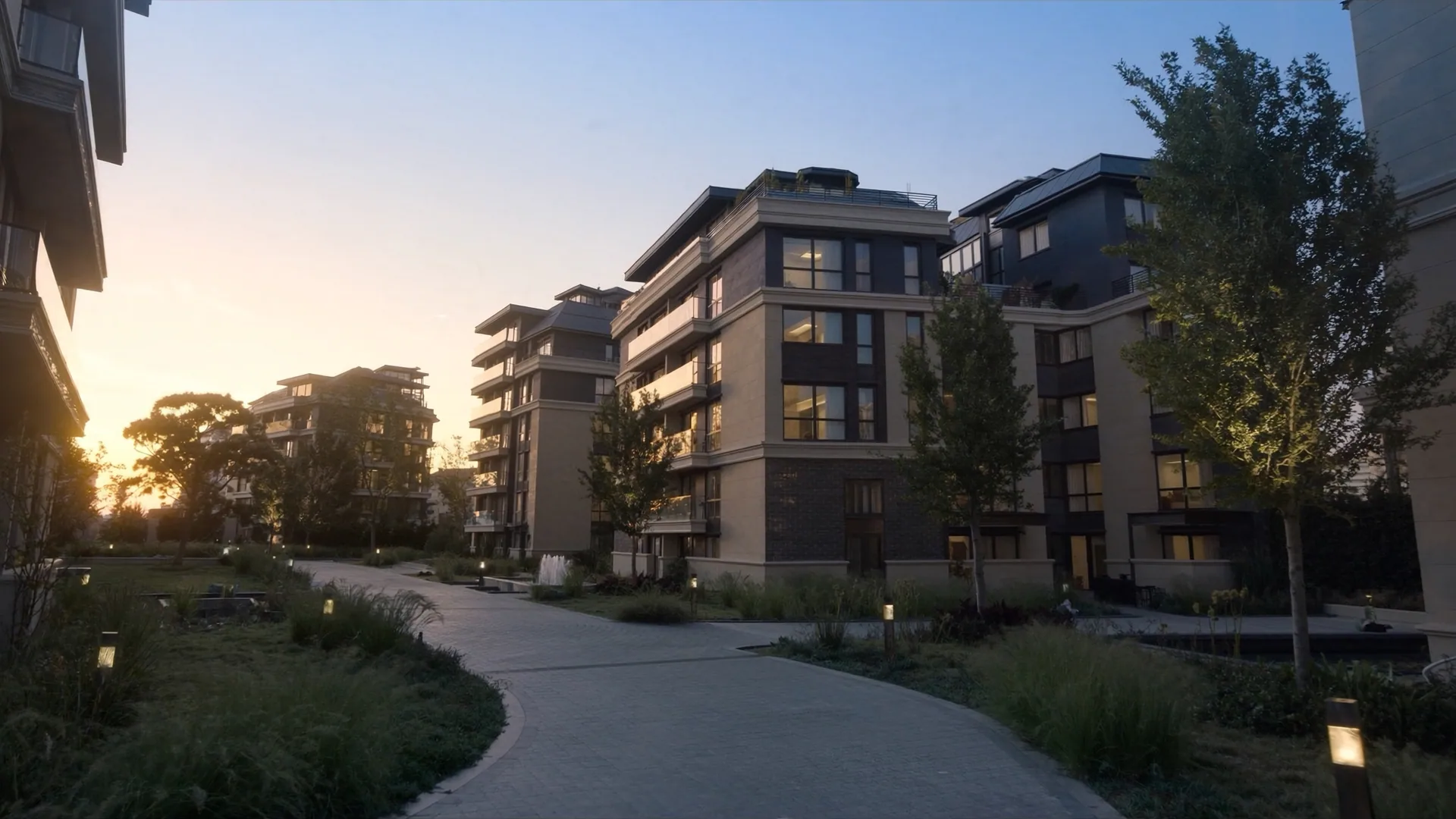
In urban transformation, the property owner's most critical decision is not which contractor they start with, but which contract they sign. The sharing ratio alone is not a sufficient measure; the land share (arsa payı), the permit timeline, the collateral, the delay penalties and the delivery quality must all be read on the same chart.
Abdulbaki Yetis Analysis
Industrial land decision matrix on the Gebze-Dilovasi-Tuzla corridor: zoning, infrastructure, logistics and environmental risk must be read together
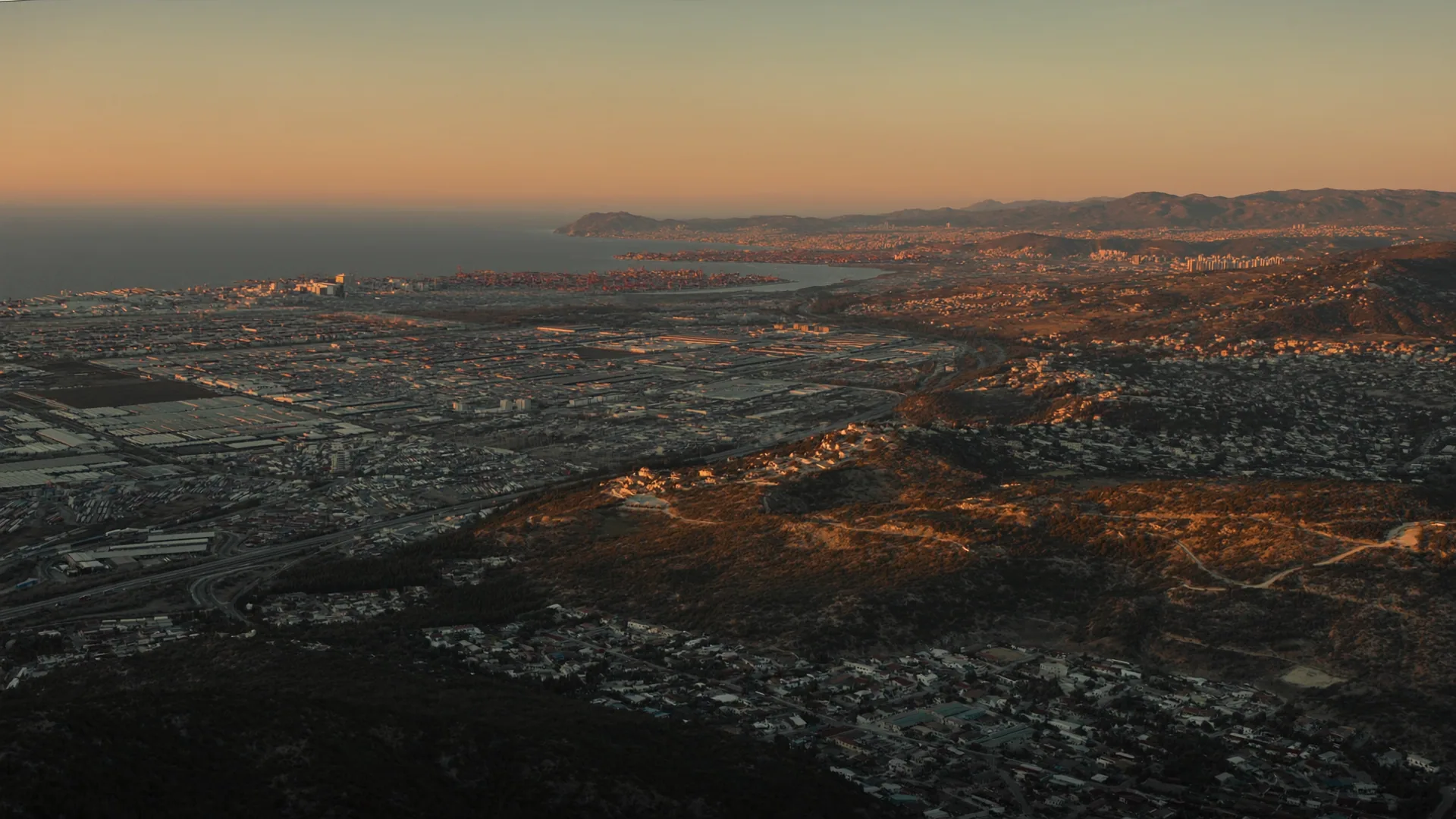
The right decision in industrial land is not made only by square meter price or visible location. On the Gebze, Dilovasi and Tuzla axis, value is understood by reading OSB access, port connectivity, energy capacity, zoning function, environmental permitting and development cost in one technical file.
Residential Land
Residential land and urban transformation feasibility: development rights, infrastructure, sales velocity and cash flow should be evaluated together
The value of residential land does not come only from floor-area ratio. Licensing schedule, infrastructure load, sales velocity, regional income profile and financing cost must be read in one feasibility file.