
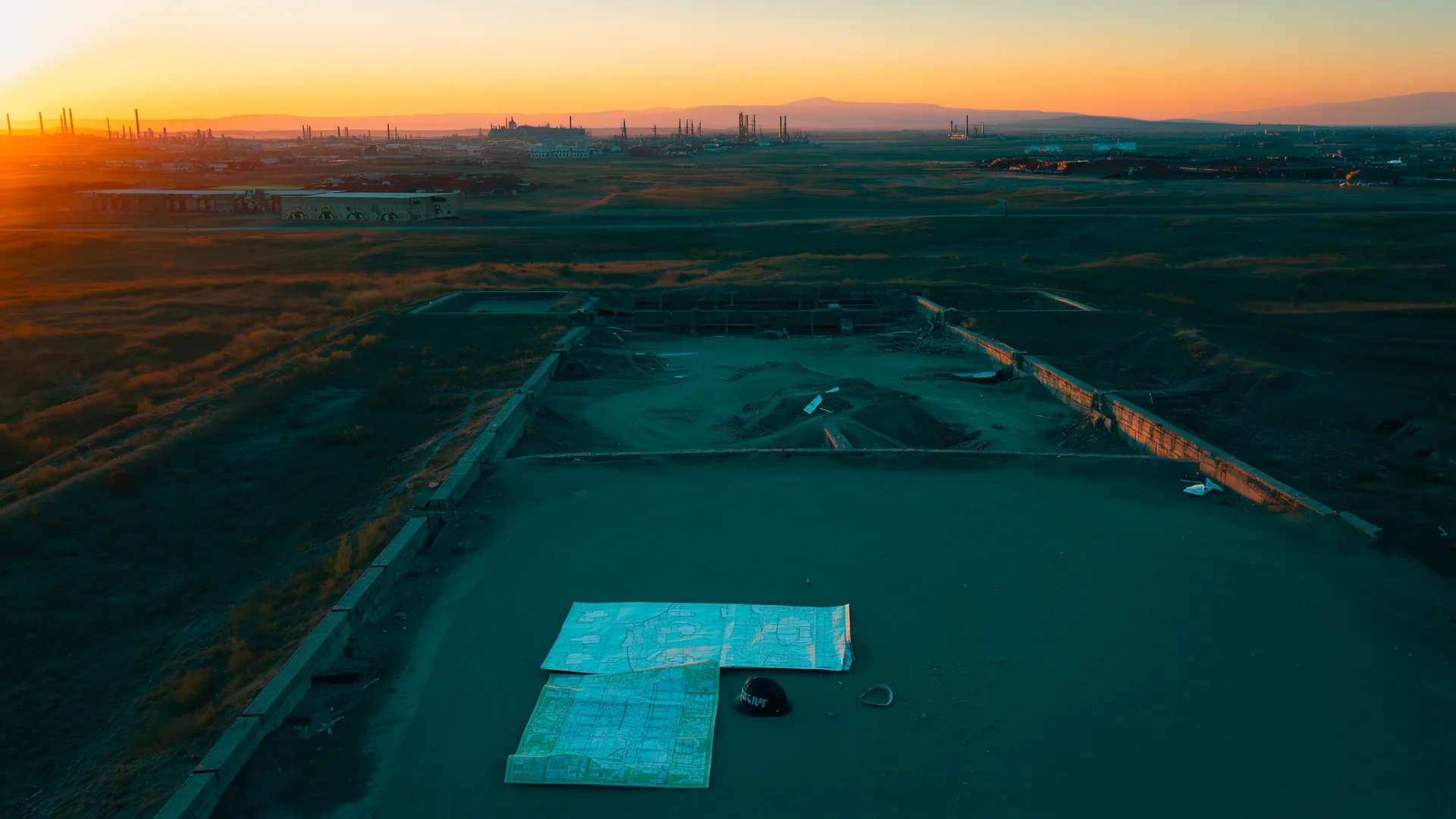
Five most expensive mistakes investors make when buying industrial land — field observations
Industrial-land mistakes usually arise from price seduction, insufficient technical due diligence, or buying without site inspection. Five large mistakes from 15 years on site, and how to avoid them.
Abdulbaki Yetis
Environmental Engineer | Real Estate Advisor
Most industrial-land mistakes come from the technical checks skipped at the pre-purchase stage. The right advisory saves a cheap parcel from becoming expensive.
1. Looking only at price per square meter
The most common mistake: 'the other parcel is 4,000 TL/m², this one is 2,800 TL/m², cheaper.' But when infrastructure cost, permit duration and environmental difficulty are added, the 2,800 TL parcel can end up at 6,000 TL while the 4,000 TL parcel stays around 4,500 TL.
The correct comparison is not 'land price' but 'total cost to start operating.' Without this, the cheap-land decision often becomes the most expensive decision.
2. Buying without reading the plan notes
Plan notes are a single page but can move the investment by millions. Items such as 'no hazardous materials', 'no heavy industry', '30% of the site must be dedicated as green space' rewrite the project economics.
Investors often trust the 'industrial zoning' stamp. Plan notes should be read line by line; ideally first by a lawyer or technical advisor, and only then should the purchase decision be made.
3. Skipping groundwater and soil investigation
A 'looks flat and solid' visual inspection makes the investor skip the geotechnical report. But in parts of Marmara the water table is at 1 m and liquefaction risk is high. Ground improvement can cost millions of TL.
A soil investigation costs 50-200K TL. It must be done before the purchase contract is signed, and the land price must be renegotiated — or the deal walked away from — based on the result. Skipping this check is in the most-expensive-mistake category.
4. Underestimating the EIA timeline
An investor thinks 'I bought the land, I'll build the factory in 3 months.' Without an EIA, no construction permit issues. For processes requiring full EIA the timeline can be 6-12 months.
During the Yildiz Demir Celik construction I saw it firsthand: the EIA process took three times longer than planned because neighboring uses and air-quality modeling extended it. If the investor has not booked this duration into the financing plan, serious cash-flow stress follows.
5. Skipping the exit scenario
At acquisition the investor always says 'I'll produce here, I won't exit.' But 10-15 years later the market changes and the investment changes hands. If this scenario is not modeled at acquisition the parcel sits unsold for a long time when the time comes.
The correct decision: at acquisition, answer 'what is the alternative-tenant pool for this parcel, which sectors find it attractive, what is its exit liquidity?' A parcel narrowly suited to a single tenant, even when cheap, carries hidden risk.
Have a similar file?
Field discipline.
At the center of the decision.
Request a technical pre-assessment from Lizaz with the framework used in this article.
Author
Abdulbaki Yetis
Environmental Engineer · Founder, Lizaz Emlak
Roughly 15 years of industrial-construction site experience. Active assignments at DP World Yarimca port projects, Yildiz Demir Celik steel facility, the Tezcan Galvaniz plant and Symbol Kocaeli shopping mall + hotel + hospital mixed-use project. Reads real estate not as a listing, but as an engineering problem at the intersection of zoning, operations, infrastructure/environment and financing.
Practice areas: industrial real estate · factory and warehouse feasibility · OSB vs. off-OSB investment comparison · residential land and urban transformation · EIA and environmental permit assessment · strategic site selection across the Marmara corridor.
Other research
From the field.
More notes.
Abdulbaki Yetis Analysis
Floor-area-sharing and urban transformation contracts: 6 critical points for property owners from a technical investor's perspective
In urban transformation, the property owner's most critical decision is not which contractor they start with, but which contract they sign. The sharing ratio alone is not a sufficient measure; the land share (arsa payı), the permit timeline, the collateral, the delay penalties and the delivery quality must all be read on the same chart.
Abdulbaki Yetis Analysis
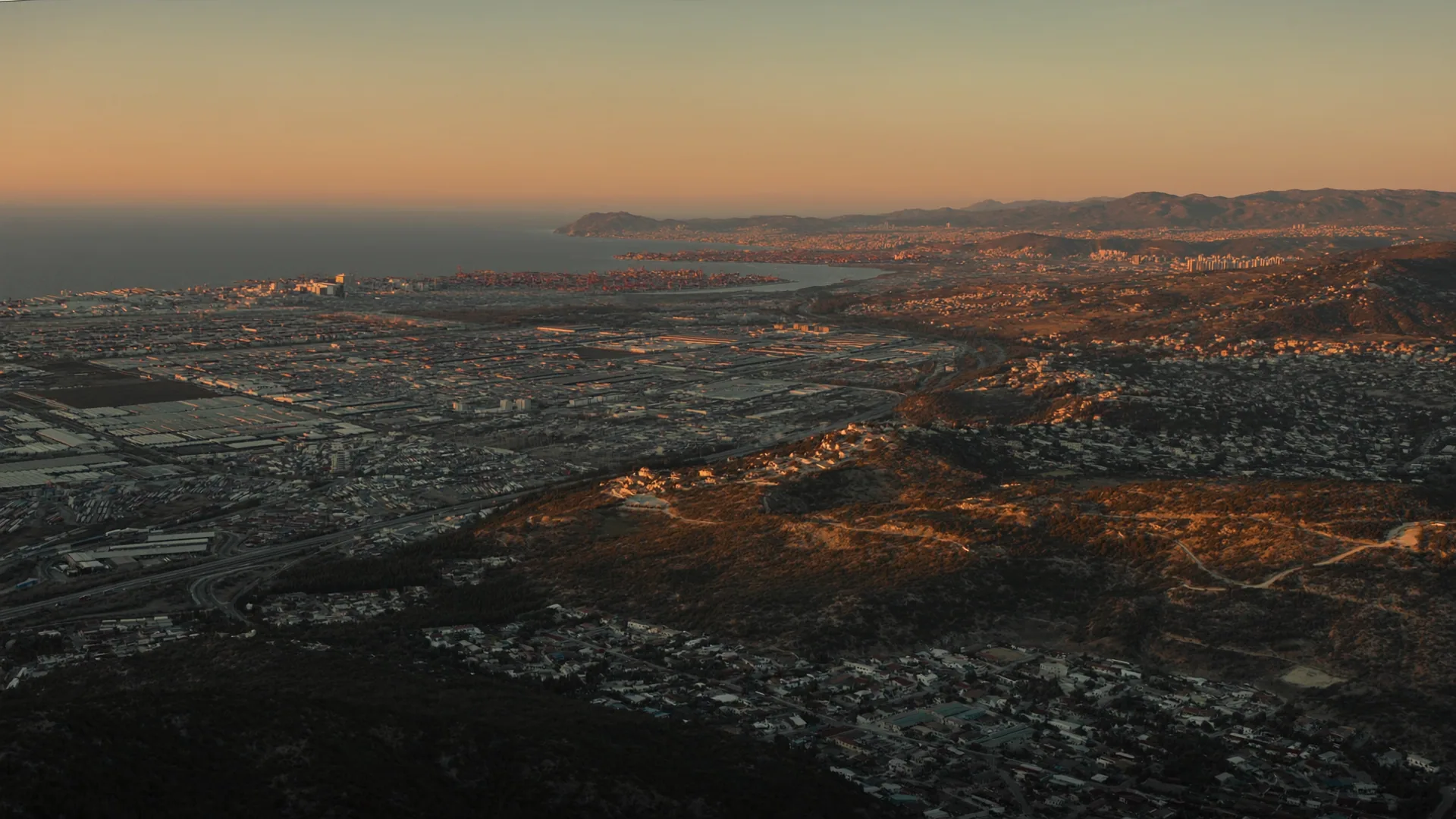
Industrial land decision matrix on the Gebze-Dilovasi-Tuzla corridor: zoning, infrastructure, logistics and environmental risk must be read together
The right decision in industrial land is not made only by square meter price or visible location. On the Gebze, Dilovasi and Tuzla axis, value is understood by reading OSB access, port connectivity, energy capacity, zoning function, environmental permitting and development cost in one technical file.
Residential Land
Residential land and urban transformation feasibility: development rights, infrastructure, sales velocity and cash flow should be evaluated together
The value of residential land does not come only from floor-area ratio. Licensing schedule, infrastructure load, sales velocity, regional income profile and financing cost must be read in one feasibility file.