
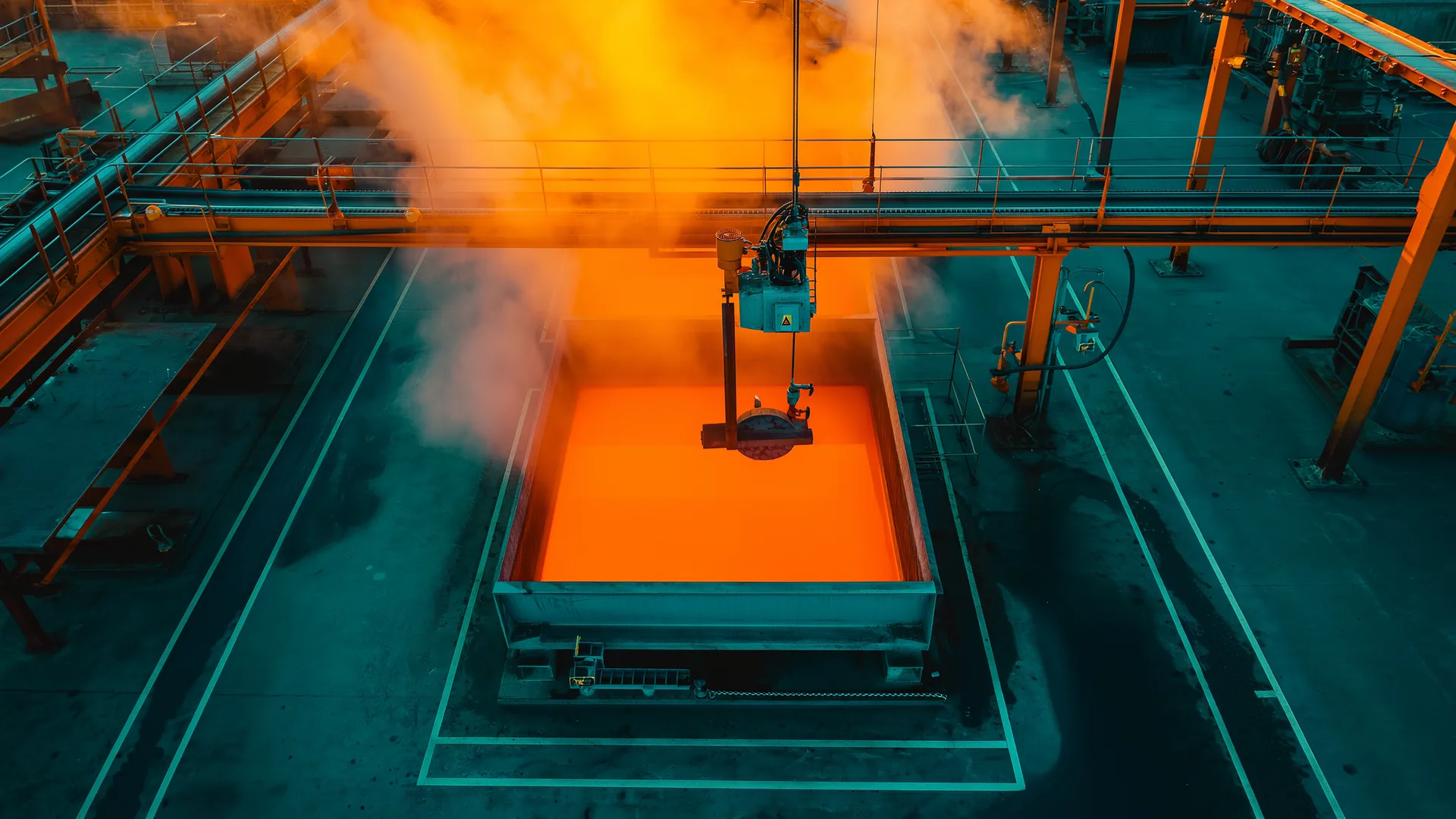
Why galvanizing and heavy-industry facilities evaluate soil differently
Galvanizing, casting and chemical heavy industry evaluate soil differently from a standard factory. Acid-bath load, machine vibration, chemical leak risk demand a tailored soil analysis. Six points from the Tezcan Galvaniz site experience.
Abdulbaki Yetis
Environmental Engineer | Real Estate Advisor
Heavy-industry soil must carry not only structural weight but vibration, acid leak, thermal load and long-term chemical interaction.
1. Acid and chemical leak risk
Galvanizing involves acid and zinc baths. If the slab leak-proofing is insufficient, acid reaches the soil and produces an EIA violation over time. A standard industrial slab is not engineered for this load: special epoxy, double-skin or geomembrane layers are required.
At Tezcan Galvaniz I saw it firsthand: the initial leak-proofing specification looked adequate, but combined with vibration and thermal expansion-contraction it had to be redone. This cost can be 15-25% of the foundation budget.
2. Hot process and thermal stress
The zinc bath operates near 450 °C. This temperature drives continuous thermal stress into the slab. The concrete reinforcement system must be designed for the temperature gradient; standard C25/30 is insufficient.
3. Machine vibration and dynamic load
Presses, casting equipment and large compressors generate dynamic load. This makes settlement uneven across the slab. Adjacent columns can settle differently, producing long-term structural damage. The geotechnical report must include a dynamic-load analysis.
4. Groundwater and vapor recovery
In a galvanizing facility with high groundwater, acid and zinc can over time leach into the aquifer. At plant closure this produces a multi-million TL remediation cost in the environmental risk assessment. Low-groundwater parcels are preferred.
5. Waste-bath leak technology
Modern galvanizing facilities use double-skinned baths with leak alarms. This infrastructure is not independent of the slab; slab settlement or cracking compromises the double-skin integrity. Continuous settlement monitoring must be in the investment budget.
6. Environmental permit and EIA scope
Galvanizing is in Annex-I of the Turkish EIA Regulation — i.e., full EIA. This process can take 6-12 months. Construction cannot begin without Ministry of Environment, Urbanisation and Climate Change approval. The investment schedule must include this duration.
Have a similar file?
Field discipline.
At the center of the decision.
Request a technical pre-assessment from Lizaz with the framework used in this article.
Author
Abdulbaki Yetis
Environmental Engineer · Founder, Lizaz Emlak
Roughly 15 years of industrial-construction site experience. Active assignments at DP World Yarimca port projects, Yildiz Demir Celik steel facility, the Tezcan Galvaniz plant and Symbol Kocaeli shopping mall + hotel + hospital mixed-use project. Reads real estate not as a listing, but as an engineering problem at the intersection of zoning, operations, infrastructure/environment and financing.
Practice areas: industrial real estate · factory and warehouse feasibility · OSB vs. off-OSB investment comparison · residential land and urban transformation · EIA and environmental permit assessment · strategic site selection across the Marmara corridor.
Other research
From the field.
More notes.
Abdulbaki Yetis Analysis
Floor-area-sharing and urban transformation contracts: 6 critical points for property owners from a technical investor's perspective
In urban transformation, the property owner's most critical decision is not which contractor they start with, but which contract they sign. The sharing ratio alone is not a sufficient measure; the land share (arsa payı), the permit timeline, the collateral, the delay penalties and the delivery quality must all be read on the same chart.
Abdulbaki Yetis Analysis
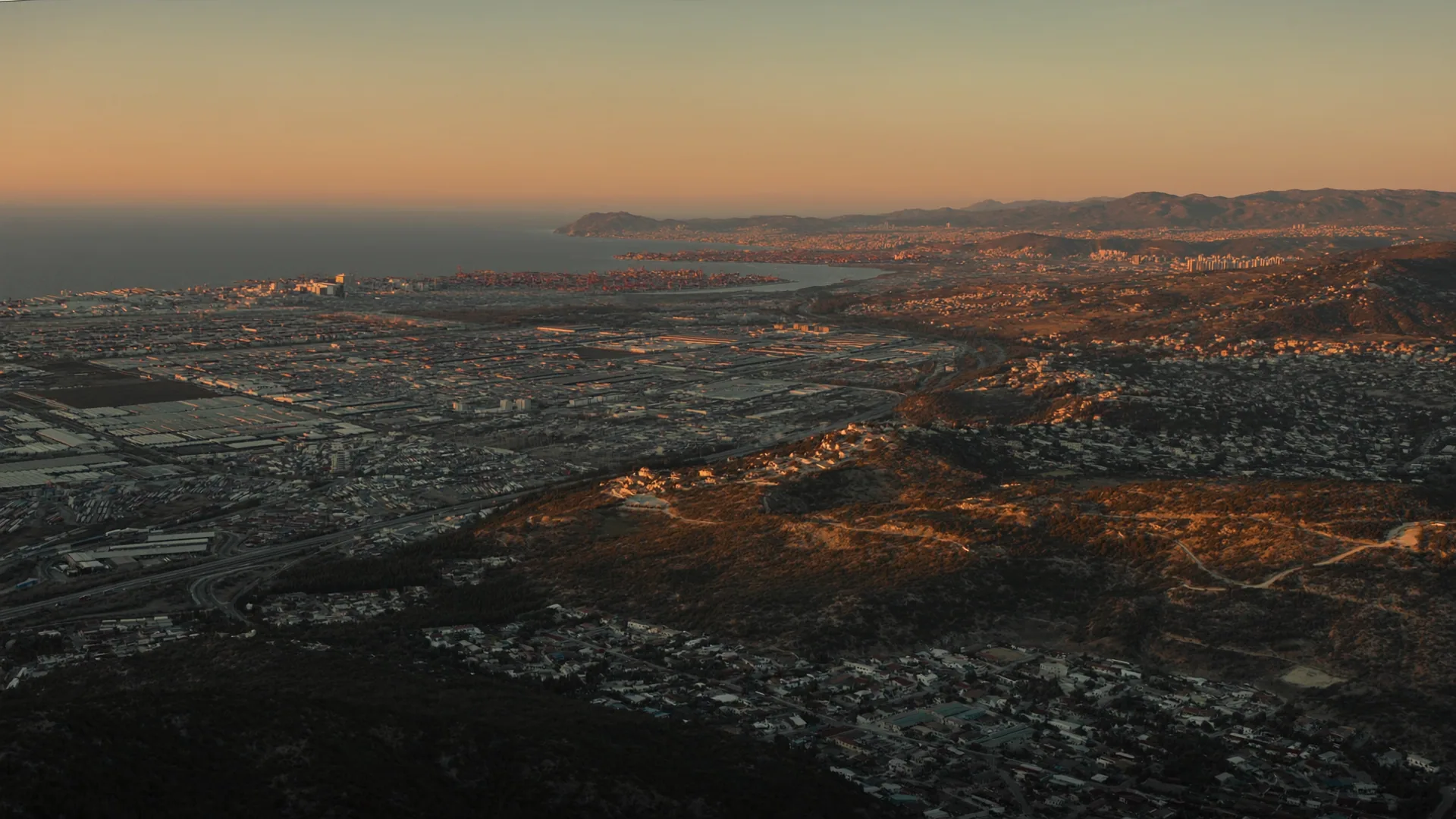
Industrial land decision matrix on the Gebze-Dilovasi-Tuzla corridor: zoning, infrastructure, logistics and environmental risk must be read together
The right decision in industrial land is not made only by square meter price or visible location. On the Gebze, Dilovasi and Tuzla axis, value is understood by reading OSB access, port connectivity, energy capacity, zoning function, environmental permitting and development cost in one technical file.
Residential Land
Residential land and urban transformation feasibility: development rights, infrastructure, sales velocity and cash flow should be evaluated together
The value of residential land does not come only from floor-area ratio. Licensing schedule, infrastructure load, sales velocity, regional income profile and financing cost must be read in one feasibility file.