
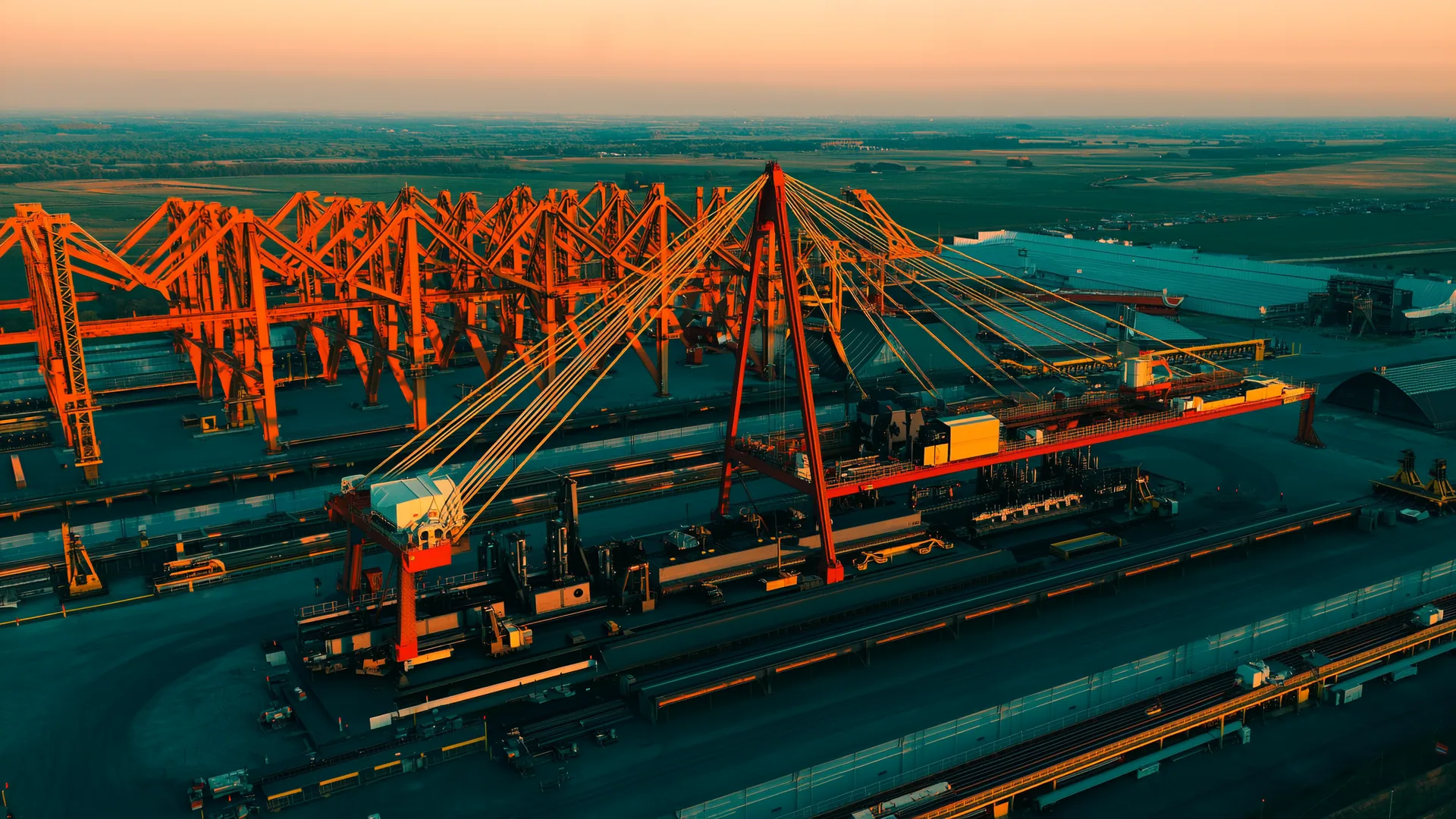
Land and clear-height selection for crane-supported production: 7 critical points for heavy industry
Land selection for crane-supported factories is different. Clear height, span, machine layout flow and slab capacity decide whether the investment can operate. Seven critical points for steel, casting and metal-processing investors.
Abdulbaki Yetis
Environmental Engineer | Real Estate Advisor
The right land for a crane-supported facility is defined not by square meters alone but by interior clear height, machine flow and slab capacity together.
1. Does the zoning height carry the real clear height?
The Hmax in plan notes can be misleading. A 12 m Hmax may seem fine; for crane-supported production the interior clear height (to the roof truss bottom) needs to be around 11 m. That means the actual building height required is 13-14 m.
During the Yildiz Demir Celik construction I saw this firsthand: zoning allowed 11 m Hmax, the requirement was 12 m clear height. The plan had to be amended or an alternative parcel found. This check belongs upstream of the purchase decision.
2. Crane span and column-grid spacing
Crane span is typically 18-30 m. This span sets the column grid inside the factory. Narrow parcels constrain the span; the production flow gets broken into segments. Wider parcels offer more flexible crane planning.
3. Slab capacity (kN/m²) and machine load
In crane-supported facilities slab load can be 3-10 times that of a residential building. CNC machines, presses, casting equipment carry point loads of 50-200 kN. Soil investigation and slab thickness must carry those loads.
4. Load-in frontage and maneuvering area
Heavy machinery, crane installation and steel-structure parts arrive on long trailers. For truck + trailer maneuvering you need a 20-30 m frontage and an 18-22 m turning radius. Parcels opening to a narrow street cannot absorb this.
5. Fire access and sprinkler infrastructure
Fire load in crane-supported production is high. Fire-engine approach frontage (often on two facades), hydrant corridor and sprinkler main lines must be considered in the layout. A fire-water tank of 50-200 m³ is often required.
6. Power capacity and number of transformers
Crane, press, welding and compressor running concurrently produce very high instantaneous demand. 1000-3000 kVA is a typical starting point. Multiple transformers, separate bus bars and harmonic filters may be required. Securing this capacity from TEDAS can take 3-9 months.
7. Roof structure and steel-structure calculation
Roof trusses carry the crane rail. This structure is completely different from a residential reinforced-concrete frame: steel design, seismic load, crane dynamic load and wind load are calculated together. A realistic starting point for this line item is 300-800 TL per m² of factory.
Have a similar file?
Field discipline.
At the center of the decision.
Request a technical pre-assessment from Lizaz with the framework used in this article.
Author
Abdulbaki Yetis
Environmental Engineer · Founder, Lizaz Emlak
Roughly 15 years of industrial-construction site experience. Active assignments at DP World Yarimca port projects, Yildiz Demir Celik steel facility, the Tezcan Galvaniz plant and Symbol Kocaeli shopping mall + hotel + hospital mixed-use project. Reads real estate not as a listing, but as an engineering problem at the intersection of zoning, operations, infrastructure/environment and financing.
Practice areas: industrial real estate · factory and warehouse feasibility · OSB vs. off-OSB investment comparison · residential land and urban transformation · EIA and environmental permit assessment · strategic site selection across the Marmara corridor.
Other research
From the field.
More notes.
Abdulbaki Yetis Analysis
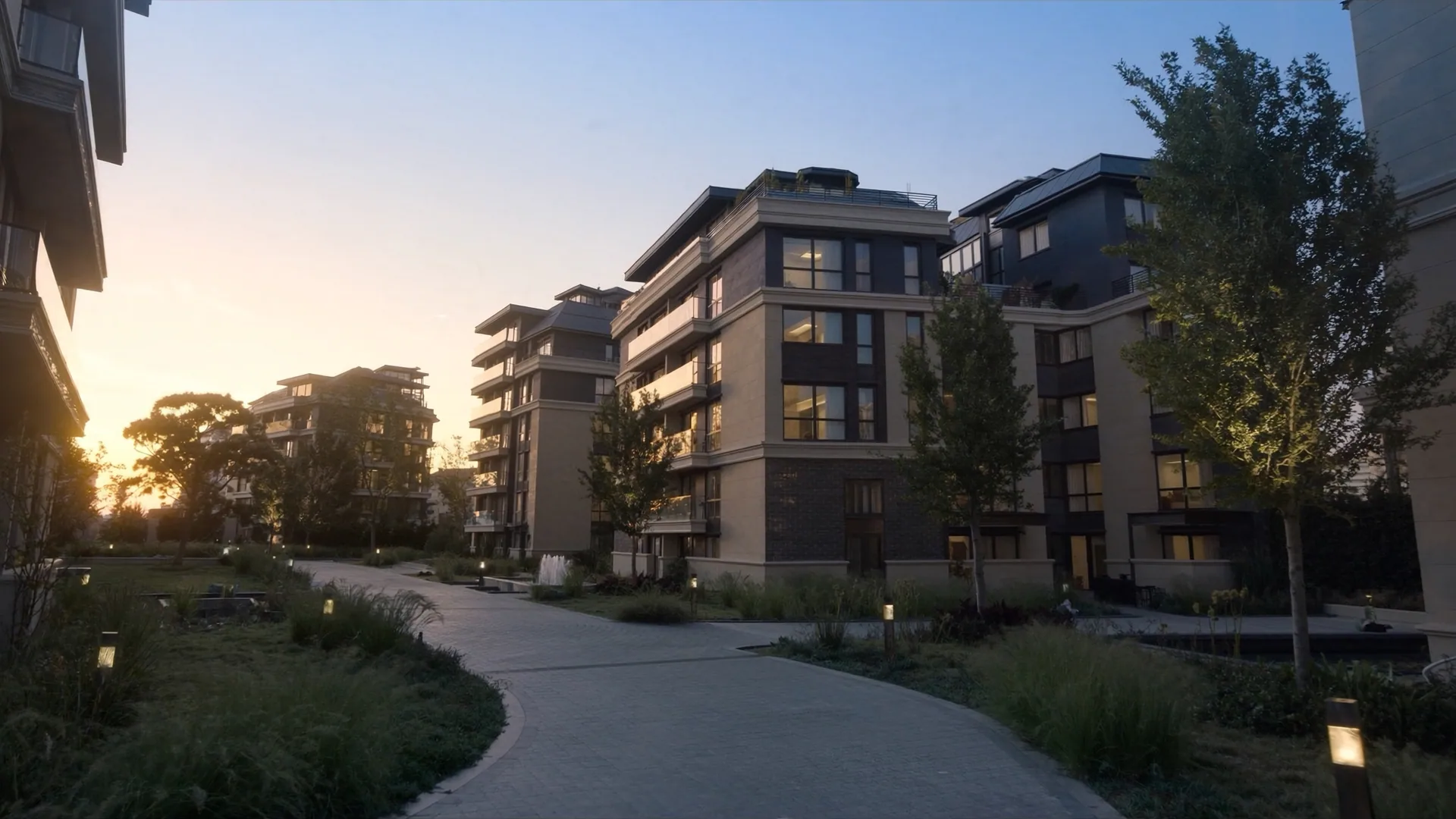
Floor-area-sharing and urban transformation contracts: 6 critical points for property owners from a technical investor's perspective
In urban transformation, the property owner's most critical decision is not which contractor they start with, but which contract they sign. The sharing ratio alone is not a sufficient measure; the land share (arsa payı), the permit timeline, the collateral, the delay penalties and the delivery quality must all be read on the same chart.
Abdulbaki Yetis Analysis
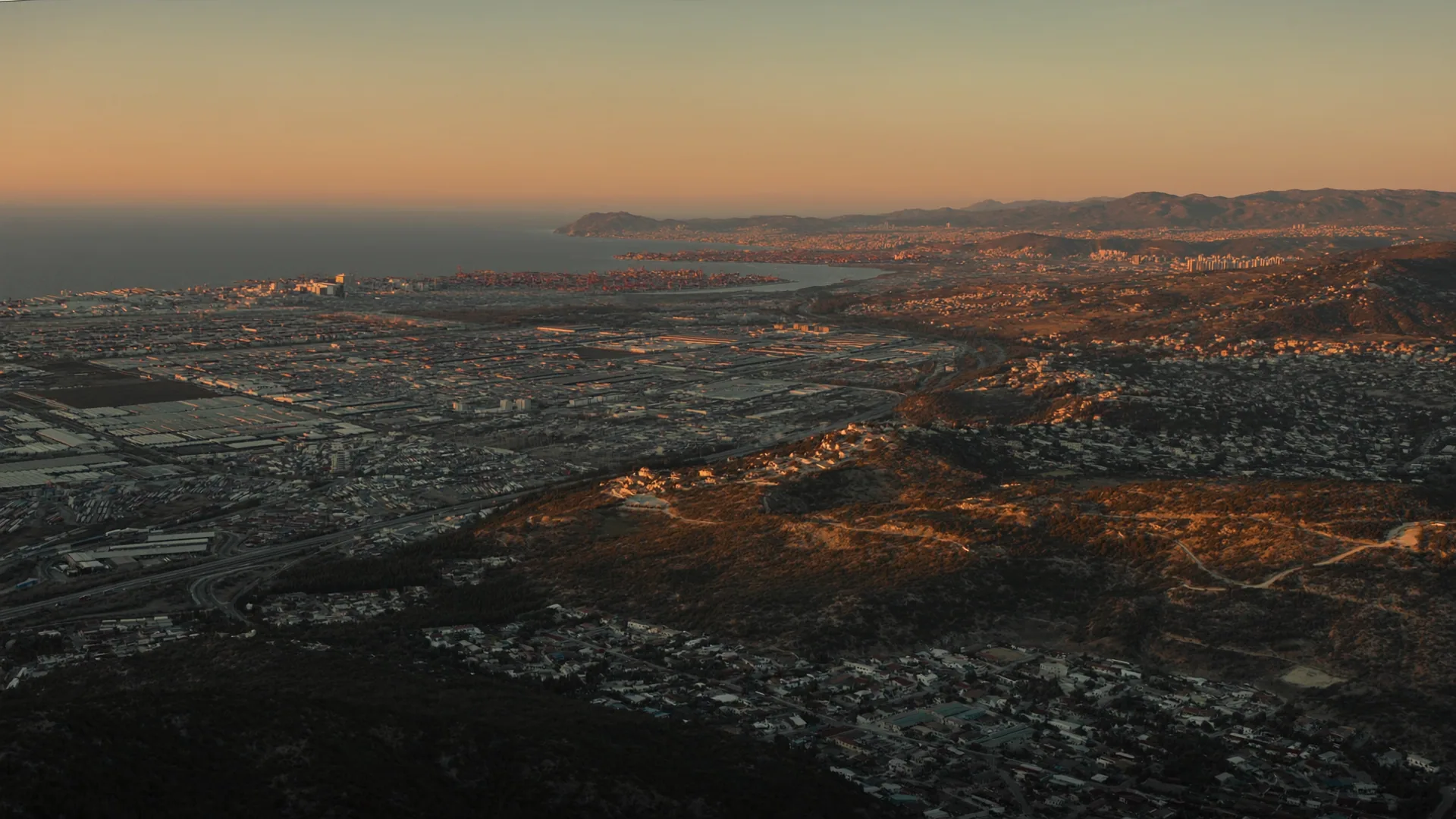
Industrial land decision matrix on the Gebze-Dilovasi-Tuzla corridor: zoning, infrastructure, logistics and environmental risk must be read together
The right decision in industrial land is not made only by square meter price or visible location. On the Gebze, Dilovasi and Tuzla axis, value is understood by reading OSB access, port connectivity, energy capacity, zoning function, environmental permitting and development cost in one technical file.
Residential Land
Residential land and urban transformation feasibility: development rights, infrastructure, sales velocity and cash flow should be evaluated together
The value of residential land does not come only from floor-area ratio. Licensing schedule, infrastructure load, sales velocity, regional income profile and financing cost must be read in one feasibility file.